
Utvalda inlägg
Många studenter i globala studier är intresserade av globala mänskliga rättigheter, särskilt ekonomiska rättigheter, och de motsätter sig ofta globalisering eftersom de tror att den… Globaliseringen har krävt en förändring i vårt sätt att beakta och lära ut mänskliga rättigheter, genus och rättvisa. Jämställdhet mellan könen hade knappast börjat på… Kostas Kourtikakis europeiska euro Föreläsare & forskarassistent Institutionen för statsvetenskap University of Illinois i Urbana-Champaign Den europeiska skuldkrisen har varit högst upp i nyheterna i… Vatten är framträdande på listan över globala kriser som förutspås innebära stora utmaningar för mänskliga befolkningar i skalor som sträcker sig från lokal till global….
Globalisering, fattigdomsminskning och ekonomiska rättigheter
Att tänka om genus och mänskliga rättigheter i den globala politiska ekonomin
Skuldkris i Europa och gränserna för nationell makt inför en global utmaning
Vattenfrågor ur ett globalt, nationellt och lokalt perspektiv

Rekommenderas mest
Hyra av partytält och möbler för en bekväm och elegant fest i Helsingborg
Att planera en utomhusfest eller event kan vara en utmaning, men med rätt utrustning och planering kan du skapa en oförglömlig upplevelse. En av de viktigaste sakerna att överväga när du planerar en utomhusfest är att hyra ett partytält och möbler. Ett partytält skyddar dig och dina gäster från solen, vindarna och regnet samtidigt som…
Den kompletta guiden till melanotan och hur det kan hjälpa dig att bli solbränna
Melanotan som ofta kallas “garvpillret”, är inte en drog och får inte en person att hallucinera. Det är ett syntetiskt hormon som stimulerar melaninproduktionen i huden, vilket leder till en ökning av din naturliga garvningsprocess. Det bästa sättet att bli solbränna är genom exponering för sol, men folk har inte alltid tid med detta. Melanotan…

Toppval

Senaste uppdateringarna
Hyra av partytält och möbler för en bekväm och elegant fest i Helsingborg
Att planera en utomhusfest eller event kan vara en utmaning, men med rätt utrustning och planering kan du skapa en oförglömlig upplevelse. En av de viktigaste sakerna att överväga när du planerar en utomhusfest är att hyra ett partytält och möbler. Ett partytält skyddar dig och dina gäster från solen, vindarna och regnet samtidigt som det skapar en elegant och intim atmosfär. Möbler och tillbehör kan hjälpa dig att skapa den rätta atmosfären för din fest.
Hos vårt företag kan du hyra partytält och möbler för din fest eller event i Helsingborg. Vi erbjuder olika storlekar av tält som passar för alla typer av sällskap, oavsett om du planerar en intim födelsedagsfest eller ett storslaget företagsevenemang. Vi har också ett stort utbud av möbler, inklusive stolar, bord, soffor och bänkar, som kan göra din fest extra bekväm och mysig.
Vi förstår att planeringen av en fest eller ett event kan vara stressande. Därför erbjuder vi professionell hjälp för att hjälpa dig att välja rätt tältstorlek, välja rätt typ av möbler och ordna med placeringen av tältet och möblerna. Vi har också en leveranstjänst som säkerställer att tältet och möblerna levereras i tid och på plats.
Vi förstår också vikten av att ha rätt tillbehör för din fest eller event. Vi erbjuder olika tillbehör som tältbelysning, uppvärmning, ljudsystem och annan utrustning som kan göra din fest ännu mer oförglömlig. Vi kan hjälpa dig att välja rätt tillbehör som passar till din festtema och dina önskemål.
Oavsett om du planerar en bröllopsceremoni, en födelsedagsfest, en sommarfest eller ett företagsevenemang, så är vi redo att hjälpa dig att skapa den perfekta festupplevelsen. Tveka inte att kontakta oss idag för att hyra partytält och möbler i Helsingborg. Vi är redo att göra din fest eller event till en oförglömlig upplevelse!
Den kompletta guiden till melanotan och hur det kan hjälpa dig att bli solbränna
Melanotan som ofta kallas “garvpillret”, är inte en drog och får inte en person att hallucinera. Det är ett syntetiskt hormon som stimulerar melaninproduktionen i huden, vilket leder till en ökning av din naturliga garvningsprocess. Det bästa sättet att bli solbränna är genom exponering för sol, men folk har inte alltid tid med detta. Melanotan erbjuder en alternativ lösning för dem som vill uppnå den där hälsosamma glöden utan att spendera timmar utomhus eller spendera pengar på dyra solfria solprodukter.
Fakta om Melanotan som du definitivt borde veta
Melanotan är ett hormon tillverkat av tyrosin och fenylalanin, som också finns i ägg, sesamfrön och sojabönor. Detta hormon omvandlas till melanin, pigmentet som ger din hud färg. Det används ofta för att behandla vitiligo, vilket leder till vita fläckar på huden. Men det har också alltmer använts som ett garvmedel och aptitdämpande medel. Melanotan har många medicinska användningsområden, som att förhindra uppkomsten av rynkor och åldersfläckar vid behandling av malignt melanom eller fördjupning av hudfärgen hos personer med albinism.
Biverkningar av Melanotan och vad du bör göra för att undvika dem
Biverkningarna av Melanotan är sällsynta, men de förekommer. Den vanligaste biverkningen är en flush. Detta är tillfälligt erytem som vanligtvis försvinner på några timmar. Biverkningarna från Melanotan är inte lika skadliga som de från andra produkter som har funnits på marknaden i många år. Biverkningarna av Melanotan kommer sannolikt att minska när fler människor använder det och mer forskning görs på det. Biverkningarna av Melanotan kan förebyggas genom att använda det som rekommenderat. Om du går över dosen kan du uppleva överdriven hudpigmentering, humörsvängningar, huvudvärk och illamående. Det skulle hjälpa om du också brydde dig om att inte vara ute i solen för länge; detta orsakar hudrodnad och brännskador.
Hur man får de bästa resultaten av garvning med Melanotan
Kroppen producerar sitt garvningspigment, som kallas melanin. Dina hudceller producerar det när de utsätts för UV-ljus. Melanin är det mörkbruna pigmentet som ger din hud naturlig färg och skyddar dig från solskador. Det bästa sättet att få bästa resultat av solning är att använda Melanotan regelbundet. Du kan använda den en gång om dagen i en månad, men om du vill ha bästa resultat bör du börja använda den oftare än så. Hur lång tid det tar för Melanotan att visa effekter på din hud beror på hur mycket melanin din kropp producerar naturligt och hur många timmars solexponering du har haft under de senaste veckorna eller månaderna. Om du vill ha det snabbaste resultatet, börja använda det så snart som möjligt efter läkarens rekommendation.
Slutsats
Melanotan nässpray är den perfekta solningslösningen för personer med mörkare hudtoner. Melanin har många fördelar, och människor av alla hudfärger kan använda det för att få en naturlig solbränna sommar. Några fördelar med melanin är att det kan reparera skadade celler, stärka immunförsvaret och skydda ögonen från UV-skador. Dessutom är melanin ett naturligt solskydd vilket gör att om din hud innehåller en högre nivå av melanin så behöver du inte applicera lika mycket solskyddsmedel. Sammanfattningsvis är det bästa sättet att använda Melanin för att få sommarbruna för mörka hudtoner.
Global migration i det globala samhället
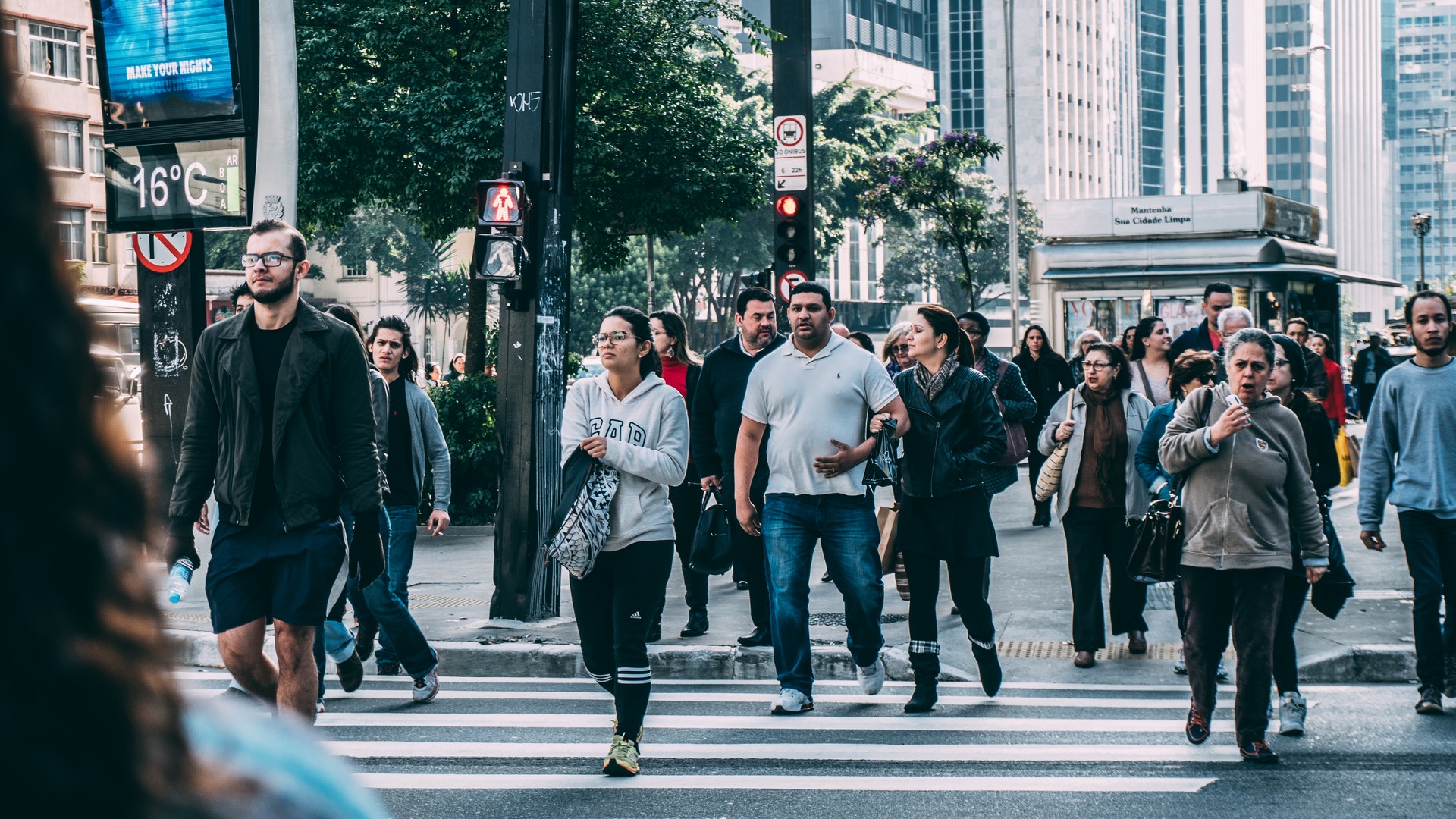
När man överväger det framväxande fältet globala studier verkar en viktig fråga vara: vad är analysenheten? Det verkar för mig att svaret ligger någonstans i det holistiska konceptet “globalt samhälle” – den kollektiviteten av 6+ miljarder individer och deras interaktioner. Istället för att försöka konkretisera en definition, låt mig istället ge några tankar om en aspekt av samspelet mellan denna kollektivitet i hopp om att vässa konceptet.
Medan den globala rörelsen av produkter, tjänster, idéer och information blir allt mer fri, förblir rörelsen för människor över gränserna hårt kontrollerad. Denna kontroll över migration är mycket kontroversiell eftersom den är resultatet av att två krafter kolliderar: aldrig tidigare har så många människor haft förmågan att flytta från ett land till ett annat samtidigt som stater aldrig har haft så mycket makt att kontrollera en sådan rörelse. Denna samtidighet leder till många kontroverser, och jag kommer att fokusera på två: migration kopplar invandring till flyktingskydd, och det väcker frågor om nationell identitet.
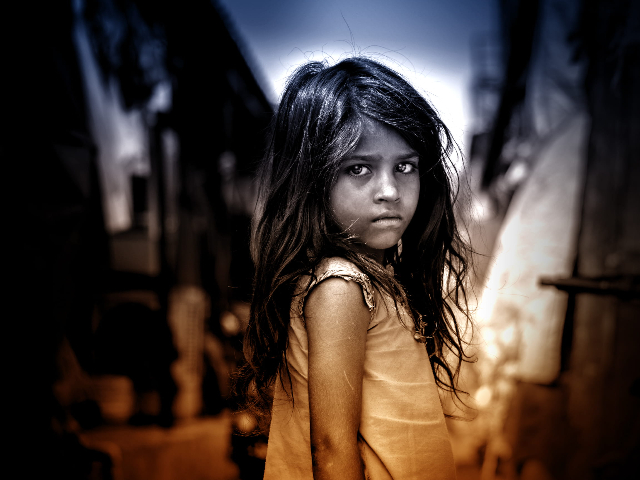
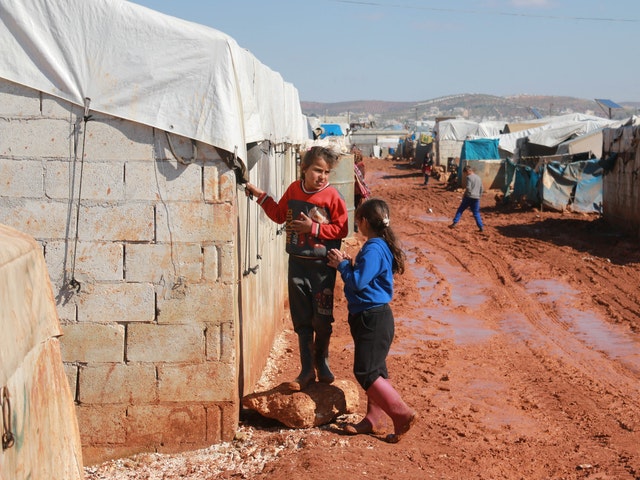
Både invandrare och flyktingar är “internationella migranter” (d.v.s. människor som korsar internationella gränser), men invandrare släpps till stor del in på grundval av nationellt egenintresse; efterkrigstidens gästarbetarprogram i norra Europa är bra exempel på detta tillvägagångssätt. Flyktingar väcker dock en känsla av moraliskt ansvar och behandlingen av dem styrs av en utarbetad uppsättning internationella lagar och normer. Flyktingar definieras av 1951 års FN-konvention som individer som möter en välgrundad rädsla för förföljelse av sin regering på grund av sin ras, religion, nationalitet, politiska åsikt eller medlemskap i en viss social grupp. Viktigt att notera är att ekonomiska svårigheter inte är ett kriterium för att bli erkänd som flykting.
Vissa förespråkare hävdar dock att det finns en moralisk skyldighet att acceptera fattiga människor, särskilt de vars fattigdom härrör från interna statliga handlingar eller försummelse, eller när externa statliga eller företagspolitiska åtgärder är inblandade. Sådana förespråkare ifrågasätter varför nationer ska privilegiera en migrant som står inför döden på grund av förföljelse framför en som står inför döden på grund av fattigdom. Motsatta argument hävdar att även om fattigdom kan ställa moraliska frågor, kan alla fattiga människor från hela världen praktiskt taget inte beviljas flyktingstatus. Var man ska dra gränsen mellan dessa två positioner rör om i grytan.
Den globala rörelsen invandrare och flyktingar väcker frågan om medborgarskap och nationell identitet. Liberala demokratier vill att folket ska styra och denna önskan deklareras i sådana dokument som ingressen till den amerikanska konstitutionen (“We, the people of the United States, in order to form a more perfect union…”) och Declaration of the United States. Oberoende (“När under mänskliga händelser blir det nödvändigt för ett folk att lösa upp de politiska banden…”). Dessa dokument uttrycker essensen av en demokrati, en term som kommer från de grekiska orden demos som betyder “folk” och kratos som betyder “styre”.
Detta koncept är bedrägligt enkelt eftersom att låta “folket styra” inte på något sätt är ett okomplicerat förslag eftersom det tvingar medborgarna i landet att definiera folket. Vem kommer att inkluderas i demos som styr? Och genom att fatta detta beslut om inkludering, fattas automatiskt ett beslut om uteslutning: vem är inte en del av folket och varför inte? Långt ifrån att bara vara abstrakta frågor, är de själva kärnan i hur vi medborgare behandlar utlänningar bland oss.
Vattenfrågor ur ett globalt, nationellt och lokalt perspektiv
Vatten är framträdande på listan över globala kriser som förutspås innebära stora utmaningar för mänskliga befolkningar i skalor som sträcker sig från lokal till global. Under de kommande decennierna förväntas vatten därmed få en allt viktigare plats på den globala agendan. Än idag är vattenrelaterad mänsklig sjuklighet och dödlighet, som beror på vitt skilda nivåer av både vattenkvalitet och kvantitet, redan utbredd, och nästan 80 % av världens befolkning utsätts för höga hotnivåer av vattentrygghet (Vorosmarty et al 2010) ). Effekterna av vattenbrist är särskilt akuta i utvecklingsländerna, där ökande befolkningar och klimatförändringar förväntas orsaka allvarlig vattenbrist för en tredjedel av befolkningen under detta århundrade (Lall 2008).
Ändå, trots sådana fynd, är medvetenheten om den globala vattenkrisen långt ifrån proportionerlig med problemets omfattning. En anledning, enligt före detta UNDP-administratören Kemal Dervis, är att “de människor som lider mest av vatten- och sanitetskrisen – fattiga människor i allmänhet och fattiga kvinnor i synnerhet – ofta saknar den politiska röst som behövs för att hävda sina anspråk på vatten” ( UNDP 2006, s. vi). Dessutom har det vanliga akademiska samfundet som är involverat i hydrologi och vatten till stor del ignorerat frågan och har vitt skilda åsikter om huruvida och när världen kommer att få slut på vatten (Lall 2008). Men enligt en analytiker finns det en bred enighet om att “det kommer att bli avsevärt ökande vattenbrist som kommer att förvandla “vatten” till en nyckel, eller nyckeln, begränsande faktor i livsmedelsproduktion och försörjning för fattiga människor (…) praktiskt taget över hela landsbygden Asien och större delen av Afrika” (Rijsberman 2004, s. 8).
Vår förståelse för globala vattenfrågor kan ökas avsevärt genom att undersöka tre delfrågor: säkert dricksvatten; förorening och nedbrytning; och vattenbrist (Lall 2008).
”Säkert” dricksvatten innebär att vattnet i stort sett är fritt från föroreningar och mikroorganismer som ofta orsakar sjukdomar eller dödsfall. Osäkert dricksvatten begränsar avsevärt mänskliga framsteg – nästan hälften av alla människor i utvecklingsländer lider av hälsoproblem som orsakas av vatten- och sanitetsbrister vid varje given tidpunkt (UNDP 2006). För att ta itu med denna börda skisserar WHO korrigerande åtgärder, såsom att ge tillgång till tillräckliga mängder rent vatten, tillhandahålla faciliteter för bortskaffande av sanitetsavfall och att införa sunda hygienbeteenden (WHO 2011b). Kaskaden av efterföljande fördelar från statliga investeringar i vatten och sanitet är så kraftfull att den till och med kan märkas som förebyggande medicin, med lämpliga analogier till immuniseringar (UNDP 2006).
Större källor till vattenföroreningar delas upp i “punktkällor” och “icke-punktkällor”. Mycket större framsteg har gjorts när det gäller att minska de skadliga konsekvenserna från punktkällor (en bestämd källa till föroreningar, såsom ett rör), åtminstone där tillräcklig politisk vilja och medel finns tillgängliga. Däremot har föroreningar från icke-punktkällor (diffusa källor, såsom gårdar) visat sig vara svårare att kontrollera på grund av högre kostnader, och eftersom effekterna är lättare att ignorera – skadligt påverkar nedströms ekosystem och gradvis ackumuleras i vattendrag och livsmedelskedjor (Lall 2008).
Vattenbrist “avser en situation när vattenförsörjningen är otillräcklig i förhållande till vattenbehovet för grundläggande mänskliga och ekologiska förnödenheter, inklusive produktion av livsmedel och andra ekonomiska varor”. Brist är den huvudsakliga komponenten i den trefaldiga vattenkrisen eftersom den kan driva på eller förvärra både tillgång och föroreningar (Lall 2008). Human Development Report lyfter fram det sociala, snarare än miljömässiga, ursprunget till vattenbrist: “hjärtat i den globala vattenkrisen är rotat i makt, fattigdom och ojämlikhet, inte i fysisk tillgänglighet” (UNDP 2006, s. 2).
Vattenfrågornas ömsesidiga beroende förstärks av följande observation: “För första gången i mänsklighetens historia har mänsklig användning och förorening av sötvatten nått en nivå där vattenbrist potentiellt kommer att begränsa livsmedelsproduktion, ekosystemfunktion och stadsförsörjning under decennierna till kom” (Jury & Vaux 2007, s. 2). Att studera vattens sammankopplade frågor illustrerar på ett användbart sätt den ökande globala konkurrensen om knappa nödvändigheter med mycket varierande distribution.
Globalt ramverk och den senaste utvecklingen
I juli 2010 förklarade FN:s generalförsamling att säkert och rent dricksvatten och sanitet utgör en mänsklig rättighet som är väsentlig för att kunna njuta av livet och alla andra mänskliga rättigheter (WHO 2011a). Ändå har “cirka 1,1 miljarder människor globalt inte tillgång till förbättrade vattenförsörjningskällor” (WHO 2011b). Förutsägbart leder detta misslyckande till höga frekvenser av sjukdomar och dödsfall bland små barn på grund av sjukdomar som kan förebyggas, och är utan tvekan kvalificerad bland 1900-talets största utvecklingsmisslyckanden (Gleick 2004-5). Vidare sträcker sig vattnets roll långt bortom mått på människors hälsa: rent vatten och sanitet rankas bland de mest kraftfulla drivkrafterna för mänsklig utveckling genom att utöka möjligheterna, stärka värdigheten och bidra till att skapa en god cykel av förbättrad hälsa och ökande välstånd (UNDP 2006).
Det har gjorts framsteg när det gäller att uppfylla millennieutvecklingsmålet för säkert dricksvatten – världen kommer att uppfylla eller till och med överträffa dricksvattenmålet till 2015 (med uppskattningsvis 86 % av befolkningen i utvecklingsregioner som har tillgång till förbättrade dricksvattenkällor, jämfört med 71 % 1990) (FN 2010). Tyvärr är målet för grundläggande sanitet utom räckhåll eftersom det uppskattade antalet människor som saknar tillgång till förbättrad sanitet (2,6 miljarder 2008) beräknas stiga till 2,7 miljarder år 2015 (FN 2010).
Lokala utmaningar och möjligheter
Lokala exempel kan belysa utmaningarna och möjligheterna kring komplexa globala vattenfrågor. “I Afrika, världens näst torraste kontinent, är tillgången och tillgången till vatten mer avgörande för tillvaron än vad det är nästan någon annanstans på jorden. Fattigdom är utbredd och även om den urbaniseras snabbt är majoriteten av dess befolkning fortfarande landsbygdsbaserad och beroende av jordbruk” (UNEP 2010, s. 13). I Afrika söder om Sahara har 69 % av befolkningen inga ordentliga sanitära anläggningar och 40 % har ingen tillförlitlig tillgång till rent vatten (UNEP 2010).
Kenya, en afrikansk nation söder om Sahara med statistik som speglar UNEP:s baslinje, är ett av de mest vattenbristande länderna i världen. Föga överraskande påverkar vatten stora delar av Kenyas ekonomi kraftigt, inklusive turism (Världsbanken 2004). “Kenyaner använder vatten för att dricka, energiproduktion, boskapsproduktion, jordbruk, turism, industri och många andra försörjningsmöjligheter. Brist på tillräckligt vatten av god kvalitet är därför ett betydande hinder för utveckling” (World Resources Institute 2007, s. vii). Kenya upplever särskilt hög barnsjuklighet och dödlighet på grund av exponering för osäkert vatten (World Resources Institute 2007), och vattenföroreningar bidrar avsevärt till ökade civila stridigheter: ”Både yt- och grundvatten får urban förorening från avloppsvatten och avlopp och kemikalier från avrinning från jordbruket. Likaså har minskande och försämrade vattentillgångar lett till konflikter mellan olika användare, såsom mellan herdar och jordbrukare, uppströms- och nedströmsanvändare, människor och vilda djur, bland annat” (UNEP 2010, s. 107).
Slutsats
Vattentillgång och vattenbrist är effektiva symboler för det globala samhällets allestädes närvarande sammankopplingar och ömsesidiga beroenden. Med tanke på att huvuddelen av de globala vattenresurserna förbrukas av jordbruket kan vattenföroreningar och brister direkt spåras till livsstilar i den “utvecklade” världen. ”Det uppskattas att 30 procent av allt vatten i global mat idag kommer från ett annat land än det där maten konsumeras. Denna andel förväntas växa, vilket innebär att globala marknadskrafter kommer att spela en roll i både tillgång och efterfrågan på lokala vattenresurser” (Lall 2008, s. 9). Lyckligtvis är vattenkrisen inte oundviklig och beror inte på begränsad tillgänglighet. Istället ligger dess rötter i både institutioner och politiska val: “[liksom hunger, är berövande av tillgång till vatten en tyst kris som upplevs av de fattiga och tolereras av de som har resurserna, tekniken och den politiska makten för att få slut på det … . Framgång med att ta itu med [vatten- och sanitetsutmaningar] genom ett samlat nationellt och internationellt svar skulle fungera som en katalysator för framsteg inom folkhälsa, utbildning och fattigdomsbekämpning och som en källa till ekonomisk dynamik” (UNDP 2006, sid 1-2). Ett erkännande av denna verklighet kommer att gynna hela mänskligheten.
Skuldkris i Europa och gränserna för nationell makt inför en global utmaning
Kostas Kourtikakis europeiska euro
Föreläsare & forskarassistent Institutionen för statsvetenskap University of Illinois i Urbana-Champaign
Den europeiska skuldkrisen har varit högst upp i nyheterna i USA och runt om i världen sedan den bröt ut 2009. Medborgare och företag har sett med stor oro och fascination när detta till synes oändliga drama eskalerar framför deras ögon. Vad som dock inte är synligt för blotta ögat är den djupa förändring som denna kris lyfter fram i regeringarnas förmåga att driva sin föredragna politik i en globaliserad ekonomi. Den här uppsatsen utforskar karaktären och rötterna till denna viktiga förändring. De första tecknen på problem dök upp i Grekland, en liten europeisk ekonomi, som blev oförmögen att betala sina skulder och därför fick internationellt ekonomiskt stöd 2010. Snart spred sig krisen till andra europeiska länder , och det dröjde inte länge innan Irland och Portugal också var tvungna att få internationella biståndslån för att stödja sina oroliga budgetar. Med tiden stod också den ekonomiska hälsan i stora europeiska länder som Italien, Frankrike och till och med Tyskland på spel. I en oroväckande takt befinner sig både små och stora länders regeringar i en ohållbar position, eftersom räntorna på deras skulder stiger kraftigt och deras lånekostnader ökar exponentiellt. Idag talar vi om en paneuropeisk kris, med potentiellt allvarliga konsekvenser för världsekonomin. USA, världens största ekonomi och Europas största ekonomiska partner, är inte heller immun mot denna kris.
Vad som är mer förvånande än den hastighet med vilken krisen sprider sig är oförmågan hos politiska ledare i och utanför Europa att vidta åtgärder som antingen kommer att stoppa den eller åtminstone bromsa den. Denna oförmåga beror definitivt inte på bristande ansträngning. Ledarna för euroområdet, valutaunionen som inkluderar länderna i stormens öga, har aviserat flera omgångar av åtgärder i syfte att försäkra marknaderna och göra deras union mer motståndskraftig mot den rådande ekonomiska turbulensen. Dessutom har medlemmarna i G20, en gruppering av mäktiga världsekonomier, också försökt väga in och föreslå lösningar. Och ändå, med varje uppsättning nya åtgärder eller rekommendationer som tillkännages för att stoppa den, verkar skuldkrisen komma tillbaka med en hämnd.
För att göra saken värre ökar också det folkliga missnöjet. Man kan upptäcka två huvudtrender, som båda är relaterade till fördelningen av ekonomiska resurser. Å ena sidan motsätter sig medborgare i ekonomiskt robusta länder avyttring av medel för biståndslån till ekonomier i problem. Tyska och finska medborgare har uttryckt mycket högljutt motstånd mot “räddningsaktionen” av till exempel Grekland. Å andra sidan har regeringarna i alla länder som redan sett sina lånekostnader stiga eller förväntar sig att de kommer att vidtagit smärtsamma åtstramningsåtgärder, som drastiskt minskar hushållens inkomster och leder till betydande sociala spänningar. Demonstrationer och upplopp i Grekland, Spanien, Portugal och nu senast i Storbritannien är alla exempel på denna trend.
Den snabba spridningen av skuldkrisen, de politiska ledarnas oförmåga att lösa den och uppkomsten av betydande social instabilitet är tre distinkta fenomen, som även den tillfällige observatören kan koppla till varandra. Men vilka är de bakomliggande förutsättningarna som gör att dessa fenomen är så sammanflätade? Och varför förstärker de varandra, vilket leder till en kontinuerlig försämring av krisen? Svaret på dessa frågor är att vi lever i en värld där ekonomiska processer blir alltmer globala, samtidigt som det politiska beslutsfattandet splittras i separata nationella arenor. Som ett resultat kan ekonomiska problem lätt spridas över länder nästan automatiskt, medan de politiska lösningarna på dessa problem fortfarande måste förhandlas fram mellan regeringar som svarar för olika nationella valkretsar.
I den europeiska skuldkrisen skulle man kunna identifiera internationella bankinstitut och kreditvärderingsinstitut som exempel på ekonomiska aktörer som är involverade i verkligt globala processer. Dessa två typer av institutioner är intrasslade i en kontinuerlig cykel av ömsesidigt beroende beslut. När ett kreditvärderingsinstitut signalerar att en obligation blir en riskabel investering, kommer bankerna bara gå med på att köpa den till en högre ränta. Men denna räntehöjning kommer att öka kostnaden för att låna för regeringen som ger ut obligationen, och det kan äventyra den statens förmåga att betala tillbaka sina lån. Denna utveckling kommer att underblåsa ytterligare oro bland kreditvärderingsinstituten, vilket kan leda till fler räntehöjningar, vilket ytterligare äventyrar landets förmåga att låna. Lättheten och hastigheten för att överföra information och göra internationella transaktioner över gränserna i dagens värld innebär att stora summor pengar lätt kan flyttas bort från en viss regerings obligationer och lämna dem kvar för kontanter.
Nyheten om ett plötsligt uppblåst grekiskt budgetunderskott är händelsen som utlöste denna automatiska process som har uppslukat hela Europa. Eftersom Grekland är medlem i euroområdet var banker och kreditvärderingsinstitut oroade över att rötterna till det grekiska problemet ligger i utformningen av valutaunionen och höjde röda flaggor även om andra länder, vilket fick deras lånekostnader att stiga och problemet spridning. Det är uppenbart att detta är ett problem som många länder står inför samtidigt, och samordnade åtgärder är nödvändiga för att dämpa marknadens oro.
Men europeiska regeringar har kämpat utan framgång för att samordna ett svar. Ursprungligen misslyckades de till och med att inse problemets transnationella karaktär, eftersom de trodde att det bara påverkar vissa ekonomier. Sedan hela omfattningen av problemet blev känt har emellertid motstridiga nationella prioriteringar och villkor gjort det svårare att hitta en gemensam lösning. Vad som är ett acceptabelt svar för Tyskland är inte nödvändigtvis välkommet i Frankrike, Italien eller Grekland. Ändå, på grund av den snabba spridningen av marknadsosäkerhet, är regeringar under enorm press att överbrygga djupa skillnader på mycket kort tid. De resulterande åtgärderna är därför ofta en slarvig kompromiss, snarare än en effektiv lösning på problemet. Detta gör att internationella banker och kreditvärderingsinstitut blir ännu mer misstänksamma och därför fortsätter skuldkrisen att spiralera nedåt.
Samtidigt ser medborgarna sina länder och samhällen i problem och förväntar sig naturligtvis att deras regeringar kommer med lösningar. Men komplexiteten i internationell finans är långt borta från de flesta medborgares dagliga liv. I avsaknad av tillräckliga förklaringar från sina ledare om problemets sanna globala natur kräver de nationella lösningar på vad de uppfattar som sin egen nations problem. Valkretsar blir därmed mer känsliga, vilket förvärrar problemet ännu mer: när demokratiskt valda politiska ledare försöker tillfredsställa sina upprörda medborgare, hårdnar och divergerar nationella ståndpunkter under regeringsförhandlingarna om en samordnad lösning, vilket gör internationellt synkroniserat agerande ännu svårare.
Visserligen är denna kris till viss del ett märkligt europeiskt fenomen eftersom det inte finns någon annan valutaunion som euroområdet. Men om vi tar ett steg tillbaka och ser bortom detaljerna i dessa specifika händelser, kommer vi att hitta ett problem som är djupt rotat i transnationella processer. Som sådan kräver det ett lika transnationellt botemedel. I avsaknad av en global regering verkar samordning genom internationella institutioner vara den enda lösningen. De svårigheter som europeiska regeringar möter idag, även efter 60 år av nära integration, är därför särskilt tecken på den förlust av kontroll som regeringarna står inför när det gäller att hantera globala kriser, just därför att både ledarnas och medborgarnas uppfattningar fortfarande är informerade av ett nationellt tänkesätt. .
Rekommenderade läsningar:
Martin Heipertz och Amy Verdun, Ruling Europe: the Politics of the Stability and Growth Pact, Cambridge University Press, 2010
Saskia Sassen, Losing Control: Sovereignty in an Age of Globalization, Columbia University Press, 1996
Att tänka om genus och mänskliga rättigheter i den globala politiska ekonomin
Globaliseringen har krävt en förändring i vårt sätt att beakta och lära ut mänskliga rättigheter, genus och rättvisa. Jämställdhet mellan könen hade knappast börjat på nationell nivå när den transnationella utvecklingen uppmärksammade behovet av att tänka på kvinnors villkor på global nivå. Förhållandet mellan mänskliga rättigheter och kvinnors jämställdhet har verkligen intagit en framträdande plats i debatterna om globalisering och internationell rätt, inklusive universella mänskliga normer för att styra uppförandet av det offentliga livet såväl som privata sfärer.[1]
Kvinnoorganisationer och människorättsgrupper har ofta förlitat sig på juridiska tillvägagångssätt och rättighetsbaserade anspråk. Våld mot kvinnor anses nu vara ett lämpligt ämne för internationell människorättslagstiftning. Faktum är att frågan om mänskliga rättigheter för kvinnor har hamnat i centrum för FN när det gäller programmatiska, administrativa och metodologiska tillvägagångssätt för internationella relationer. Så också har Internationella brottmålsdomstolen inkluderat både materiella skydd, processuella garantier och administrativa strukturer som är genuskänsliga och utformade för att fullt ut införliva behoven hos offer för och vittnen till könsbaserade brott.
Men det är mer komplicerat, för denna process är i sig själv ofta ett mikrokosmos av den större debatten om globalisering, särskilt i vilken grad gamla paradigm av kolonialism återskapas i skepnad av global integration. Uppmaningen till kvinnors jämställdhet, en kallelse till vilken alla människor av god vilja inte kan annat än vara sympatiska, måste ändå tas emot försiktigt, för att granskas för dolda agendor och baktankar. Transnationellt feministiskt förespråkande för mänskliga rättigheter kan ännu inte kopplas bort från nationen, där en nation, USA, så dominerar den globala dynamiken. Försiktighet är motiverad om strävan efter mål som föreställer kvinnors mänskliga rättigheter inte är ett självändamål utan ett sätt att stärka USA:s globala intressen. För detta ändamål föreslår den här uppsatsen behovet av att inkludera ett kritiskt perspektiv i klassrumsdebatter och akademiska strävanden om de mänskliga rättigheternas könsrelaterade imperativ.
Visst, påverkansarbete för att utveckla könsbaserade internationella rättsliga standarder, oftast utformade som skydd för mänskliga rättigheter, fungerar positivt på ett antal sätt. Som en retorisk fråga tjänar vädjan till globaliserade juridiska standarder, särskilt inom området mänskliga rättigheter, som ett förebud om förändring och budbärare för modernitet och framsteg. Under dessa omständigheter har regler om behandling av kvinnor åtminstone ett symboliskt värde. Men de kan sannolikt ge fördelar utöver bara signalering för instrumentella ändamål. Till exempel, i länder som ratificerar fördrag om mänskliga rättigheter som konventionen om att sluta diskriminera kvinnor (CEDAW), om än utan avsikter att följa, kan CEDAW fortfarande fungera som en vägvisare för regeringens skyldigheter om vilka kvinnorättsaktivister kan göra anspråk och ta upp frågor både i inhemska och internationella forum (Hathaway 2003).
Dessutom, genom att omformulera frågan om kvinnors ojämlikhet som en global fråga, kan det vara lättare för aktivister att ta upp farhågor som annars skulle kunna förpassas till bakgrunden, eller kanske till och med överges, om sådana frågor skulle artikuleras som ett problem som uppstår inom modern territoriell stat. Till exempel, under tider av politisk oro som hotar stabiliteten i statliga regimer, när regeringar upplever press, särskilt i form av extern fientlighet, kan kvinnor vara ovilliga att framföra kritik som riktar sig mot statens praxis. Men när dessa frågor uttrycks som globala problem kan spänningen mellan behovet av att kritisera interna statliga praxis och behovet av att försvara sig mot externa hot minska.
Även om det inte råder några tvivel om att kvinnor har gynnats av att använda det internationella ramverket för mänskliga rättigheter för att söka och uppnå jämställdhet och rättvisa, är det också sant att ansträngningarna att utnyttja sådana normer för kvinnors jämställdhet ofta agerar i takt med en annan uppsättning bekymmer. och kan tjäna som intellektuell valuta för att främja amerikanska politiska intressen, definierade i termer av makt, och dess ideologiska syfte med global ekonomisk liberalisering.
Dessutom har mänskliga rättigheter till stor del definierats som individuella politiska rättigheter. Rättigheter som hänför sig till ekonomisk och social rättvisa har förpassats till mindre hänsyn. Andra har beskrivit initiativ för mänskliga rättigheter inriktade på kvinnors jämställdhet som en form av instrumentell feminism som stödjer kvinnors rättigheter som ett sätt att förbättra utvecklingen av marknadsekonomier (Bessis 2004, Orford 2000). Kvinnor är den nya komponenten i den globaliserade arbetsstyrkan som rör sig över internationella gränser. Ojämlikhet mellan könen i form av hinder som hindrar deras fria rörlighet genom att gå in i lågavlönad arbetskraft är oförenliga med intressen hos transnationella företag som är beroende av billig kvinnlig arbetskraft.
Den nuvarande fokuseringen på mänskliga rättigheter relaterade till våld mot kvinnor förutsätter, paradigmatiskt, statens plikt att upprätthålla normer och faktiskt skyldigheten att straffa förövare. I en genomgång av en studie av etthundrattiofem CEDAW-rapporter var den vanligast uppmärksammade reformen av mänskliga rättigheter när det gäller jämställdhet höjningen av straffrättsliga påföljder (Goldscheid, 2006). Många av dessa reformer utformades efter den rättsliga utvecklingen i USA, även om sådana kriminella interventionsmodeller kan tjäna kvinnor dåligt av ett antal skäl. Statlig inblandning i familjens privata sfärer eller inom lokalsamhällen där könsbaserade kränkningar av de mänskliga rättigheterna kan förekomma är problematisk i många sammanhang, särskilt där staten ofta utgör ett lika stort hot mot mänskliga rättigheter som enskilda eller lokala kränkare. Brottsrättsmedel kan ha litet överföringsvärde i kulturer där straff i avskräckande syfte eller vedergällning inte är normen. Att åberopa statliga verkställighetsmekanismer under omständigheter där frågor om ekonomisk och social rättvisa är bakgrundsöverväganden minskar inte bara möjligheten att eliminera mänskligt lidande, utan kan också uppmuntra godtycklig maktutövning.
Fördelarna med diskursen om mänskliga rättigheter för global jämställdhet för kvinnor kan inte förnekas. Det är dock inte en enkel strävan. Med andra ord, i vilken utsträckning måste vi ifrågasätta med våra elever och i vår forskning om det historiska missbruket av mänskliga rättigheter skapar just de problem som ingriparna hävdar att de försöker avbryta?
Globalisering, fattigdomsminskning och ekonomiska rättigheter
Många studenter i globala studier är intresserade av globala mänskliga rättigheter, särskilt ekonomiska rättigheter, och de motsätter sig ofta globalisering eftersom de tror att den har orsakat en ökning av fattigdomen i världen, särskilt när industrialiseringen och kapitalismen spred sig.[1] Ändå visar de flesta studier på betydande minskningar i fattigdom under perioden av industrialisering, kapitalism och globalisering. Den globala fattigdomsgraden beräknas ha sjunkit från över 90 procent av världens befolkning 1820 till 51,3 procent 1992. Under ungefär samma period mer än fördubblades medellivslängden, från 26 år 1820 till 60 år 2002 .
Samtida studier av fattigdom definierar det vanligtvis som andelen hushåll som lever under en viss inkomst; detta kallas fattigdomsgränsen. Världsfattigdomsgränserna mäts vanligtvis till någonstans mellan $1,00 och $3,00 per person och dag. För att jämföra fattigdomsnivåer mellan länder omvandlas hushållens inkomster vanligtvis till en gemensam valuta med hjälp av köpkraftsparitetsväxelkurser (PPP). PPP beräknas genom att jämföra kostnaderna för likvärdiga “korgar” av varor som bostäder, mat och kläder i olika länder. Till exempel, 2007 uppskattades Kinas bruttonationalinkomst per capita i US $ till 2 360 $, men dess PPP per capita var 5 370.
Världsbankens beräkningar visar att med en fattigdomsgräns på 1,25 USD per dag minskade procenten av världens befolkning som lever i fattigdom mellan 1981 och 2005 från till 51,8 till 25,2. Med en fattigdomsgrad på 2,50 USD per dag var minskningen från 74,6 procent av världens befolkning till 56,6 procent. Ändå, även om man använder de mest optimistiska siffrorna, levde 322 miljoner människor under WB 1 $ per dag fattigdomsgränsen år 2000; 600 miljoner levde under 2 USD per dag och 1,2 miljarder under 3 USD per dag. Med 2,50 USD per dag som riktmärke var majoriteten av världens befolkning, 56,6 procent, fortfarande fattig 2005.
Fattigdomsgraden varierar dock ganska drastiskt mellan olika regioner. I vissa regioner har den absoluta fattigdomen minskat sedan 1980, medan den i andra regioner har ökat något. Tabellen nedan visar siffror för världens fattigdom i procent av befolkningen per region 1981, 1990, 1999 och 2005 på nivåerna 1,25 och 2,50 USD per dag, även om dessa siffror inte tar hänsyn till prishöjningar på mat och bränsle sedan 2005 eller 2008. -9 finanskris.
Den största minskningen av fattigdomen från 1981 till 2005 var i Östasien och Stillahavsområdet, inklusive Kina. Fattigdomen minskade också i Sydasien som region, i Indien och i Latinamerika och Karibien. Däremot steg fattigdomsgraden i Östeuropa och Centralasien under 1990-talet men började minska igen under 2000-talet. I Afrika söder om Sahara ökade fattigdomen mellan 1981 och 1999, men började sjunka på 2000-talet. Dessa regionala siffror visar att globaliseringen inte har en enhetlig “global” effekt; nationell historia, interna politiska krafter och aktuell offentlig politik måste beaktas när man försöker fastställa globaliseringens konsekvenser för en viss region eller land.
Frågan är då vad som orsakar antingen ökning eller minskning av fattigdomen? Vad blir den sannolika effekten av globaliseringen i framtiden och vilka andra faktorer än globaliseringen kommer att bidra till den effekten? Det är frestande för studenter i globala studier som motsätter sig globaliseringen att tillskriva globaliseringen all försämring av ekonomiska rättigheter och alla förbättringar till motståndet mot den. Men länder som inte deltog i globaliseringen klarade sig generellt sett sämre än länder som deltog. I kombination med lämpliga offentliga policyåtgärder förbättrar globaliseringen de ekonomiska mänskliga rättigheterna för många hundratals miljoner människor.